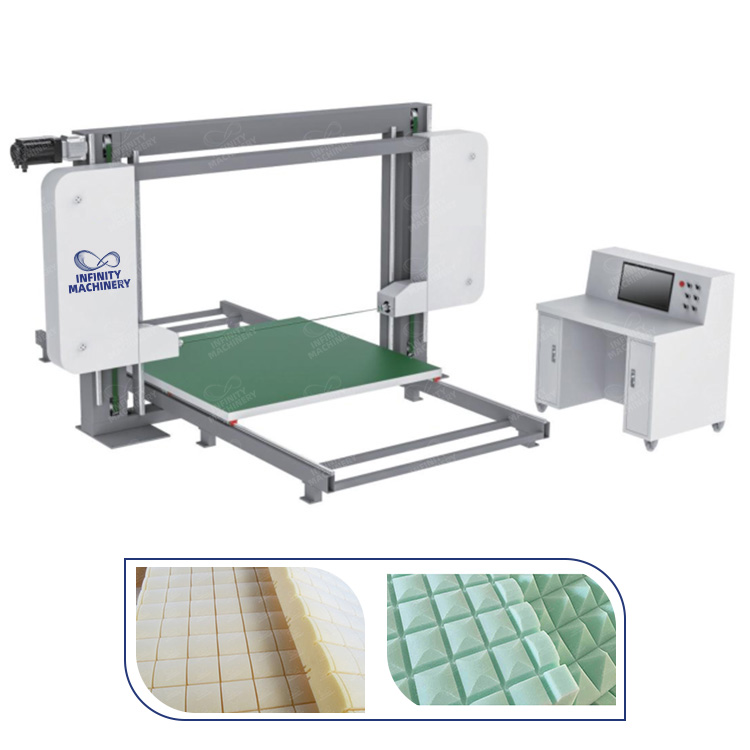
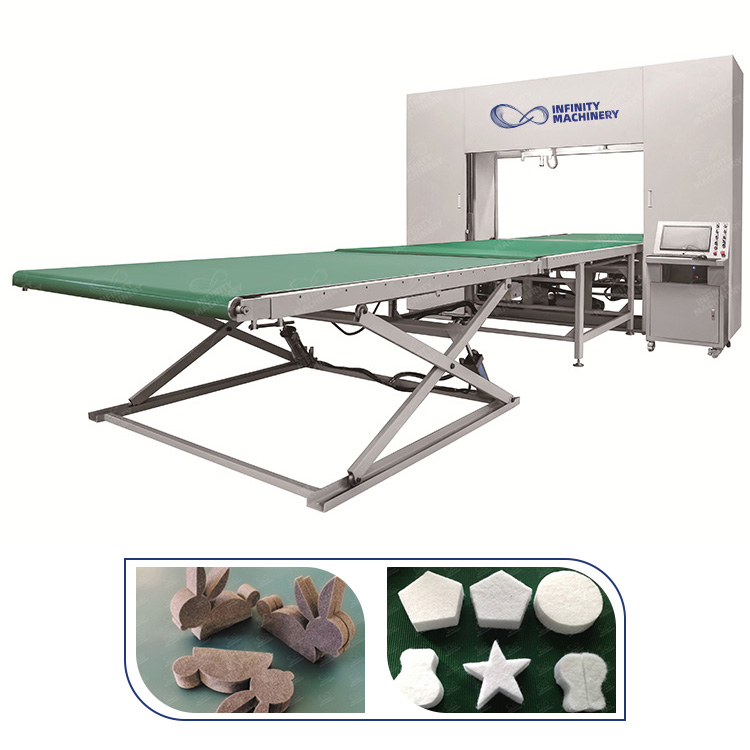
The mattress factory spends on energy in every segment, and the spending is mostly invisible: the motors run at full speed when the machine is idle, the compressed air leaks through the worn fittings, the heating runs through the breaks, and the power peaks stack the demand charge on top of the consumption. The energy saving is not a single machine decision but a factory-wide program, and the program finds 20 to 30 percent without cutting the production speed. The IF-CNCH Horizontal Blade Foam Cutting Machine, the IF-CNCV CNC Contour Cutting Machine and the IF-CR9 Folding and Roll Packaging Machine are the machine cases this guide maps. This guide walks the energy map, the machine-level savings, the system fixes and the audit plan.
The mattress factory energy bill has a structure, and the structure shows where the saving is. The big consumers are the motors: the cutting machines, the quilting machines, the compressors and the conveyors run the electric motors that draw power whenever they run, and the motors draw a large share of the power even when the machine is processing nothing. The second consumer is the compressed air: the air compressor feeds the pneumatic cylinders and the air tools across the line, and the compressed air is the most expensive energy in the factory, because the compressor runs continuously and the leaks in the fittings and the hoses waste a large share of the output. The third consumer is the heating: the foam production, the glue melting, the tape edge and the winter space heating all consume the thermal energy. The fourth is the lighting and the ancillary load. The energy question is not which machine to replace but how the factory manages the four consumers, and the answer is a program, not a purchase. The factory that maps the consumers, measures the loads and manages the idle, the leaks and the peaks finds the 20 to 30 percent saving in the same production.
The energy map is the first step: the factory that cannot name its four consumers cannot manage them, and the map turns the bill into the target list.
The machine-level savings start with the motor, because the motor is the biggest single consumer in the factory. The first fix is the idle power: the machines with the fixed-speed motors run at full power while the operator loads, unloads, adjusts or waits, and the idle time can reach 30 percent of the shift; the VFD, the variable frequency drive, matches the motor speed to the load, and the machine that slows to the low speed or stops between the operations cuts the idle draw. The second fix is the motor sizing: the oversize motor, selected for the peak load, runs inefficiently at the average load, and the correctly sized motor with the VFD draws the power the actual load needs. The third fix is the duty-cycle operation: the machines that process in cycles, the packing machines, the compressors and the conveyors, should run for the cycle and stop between, instead of idling at the ready state; the duty-cycle control, the timer or the sensor that starts the machine when the unit arrives, cuts the standby power that runs all shift. The fourth fix is the peak management: the machines that start together create the power peak that the utility bills as the demand charge, and the staggered starts, the soft starters and the sequenced operation flatten the peak. The machine-level program is the largest and the fastest saving in the factory.
The compressed air is the most expensive energy in the mattress factory, and the system has four leaks to fix. Leak one is the physical leaks: the worn fittings, the loose couplings and the cracked hoses waste a large share of the compressor output continuously, and the leak hunt, the soap test or the ultrasonic detector, finds and fixes them; the factory that runs the quarterly leak hunt cuts the compressor load without touching the production. Leak two is the pressure setting: the system running at the higher pressure than the tools need wastes the energy on every cubic meter, and the pressure reduction to the minimum that the pneumatic cylinders require cuts the compressor power proportionally. Leak three is the continuous run: the compressor that runs all shift to hold the pressure for the occasional use wastes the power between the demands, and the compressor with the load-unload control or the VFD matches the output to the demand. Leak four is the air quality and the drainage: the water in the air reduces the tool efficiency and forces the higher pressure, and the dryer and the drains keep the system clean. The compressed air program is the classic 35 to 40 percent saving, and it is invisible to the production line, because the machines run exactly the same.
The heating and the ancillary systems carry the second layer of the energy saving, and the fixes follow the same logic. The heating system, the glue melters, the tape edge heaters and the winter space heating, runs on the schedule of the factory, not the need of the process: the heaters that run through the breaks and the lunch hours waste the energy on the empty floor, and the timer control that shuts the heaters on the break schedule cuts the waste without affecting the product quality, because the glue and the machines hold the heat for the short pauses. The zoning is the second heating fix: the factory heats the production floor as one space, when the cutting, the quilting and the packing zones have different heat needs and the warehouse needs none; the zone valves and the zone thermostats direct the heat to the occupied zones only. The ancillary loads are the lighting and the small equipment: the LED conversion, the motion sensors on the storage and the break areas, and the power-down policy for the chargers and the small tools at the end of the shift. The ancillary saving is smaller per item but the items are many, and the sum adds 5 to 10 percent to the program. The heating and the ancillary fixes are the low-cost layer that the factory implements in the same week as the audit.
Heating: timer control on breaks | Zone valves per production zone | LED + motion sensors | Power-down policy for chargers and small tools | Sum: 5-10% additional saving
The energy bill has two parts, the consumption and the demand, and the load management attacks the demand. The demand charge is the utility billing for the peak power the factory draws in the billing window, and the peak is set by the machines that start together at the shift start, the compressors, the cutters and the heaters all kicking on at once. The demand management has three tools. Tool one is the staggered start: the machines start in sequence over the first minutes of the shift instead of together, so the peak never forms. Tool two is the load scheduling: the heavy operations, the foam cutting and the compression packing, move to the off-peak hours where the utility rate is lower, and the factory that runs the heavy shifts at night pays less for the same work. Tool three is the peak monitoring: the energy meter with the peak alarm alerts the supervisor when the draw approaches the limit, and the supervisor delays the non-urgent machine by minutes to stay under the peak. The load management saves on the demand line without reducing the production, and the saving is the 12 to 18 month payback on the control investment.
The roadmap cuts the energy bill in six steps, run over two months. Step 1: the energy audit, mapping the four consumers, measuring the per-machine loads with the clamp meters and recording the idle, the peak and the compressor data for the baseline. Step 2: the quick wins, the compressed air leak hunt, the pressure reduction and the machine idle settings, implemented in the first week for the immediate saving. Step 3: the system fixes, the VFDs on the high-idle motors, the duty-cycle controls on the packing and the conveying, and the heating timers and zone valves, scheduled with the maintenance. Step 4: the load management, the staggered starts, the off-peak scheduling and the peak monitor with the alarm. Step 5: the measurement, re-reading the meters after the fixes and comparing the consumption and the demand against the baseline month. Step 6: the standard, documenting the settings, the schedules and the checklist, and training the supervisors on the energy control as part of the shift routine. The factory that runs the six steps sees the 20 to 30 percent cut on the bill, the demand charge down and the energy cost per unit in the product margin.
The IF-CNCH, the IF-CNCV and the IF-CR9 represent the machine cases this guide maps, and the six-step roadmap cuts the energy across the whole line. Contact our factory engineering team for the energy audit support for your line, the VFD and the control recommendations and the compressed air system check.
Contact our factory engineering team today for the energy program for your mattress line: the audit baseline, the machine-level control recommendations, the compressed air system check and the load management plan.