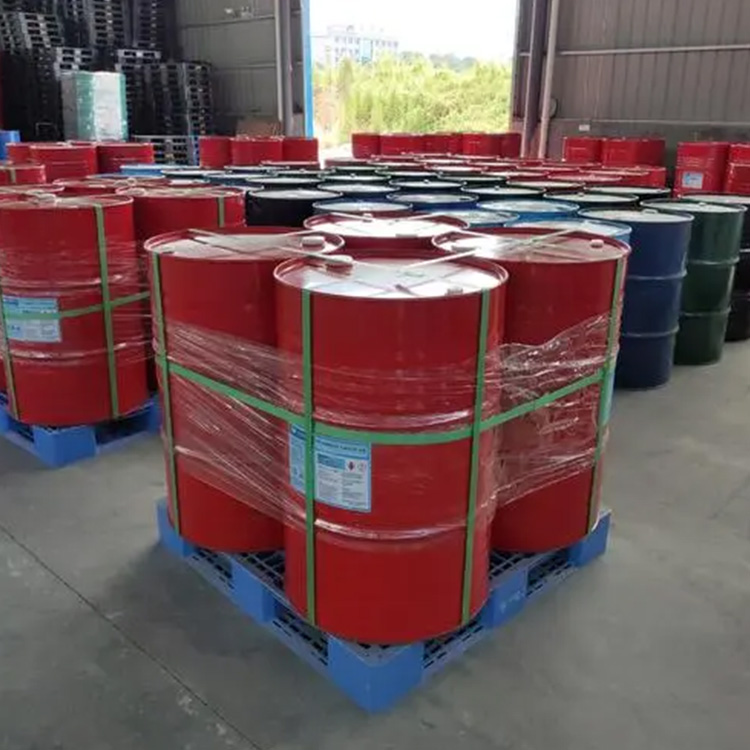
The chemistry is the quiet half of the foam business. The mixing machine is visible, the mold is visible, the block is visible, but the raw materials that become the block are bought by people who rarely know whether the price per kilo they pay is fair, whether the batch numbers they accept are current, or whether the binder they stock will still perform after six months in the drum. The Foam Chemicals & Binder program from Infinity covers the working chemistry of a foam production line: the polyols and isocyanates that build the foam backbone, the catalysts, surfactant, and water that shape the cell structure, and the binders that hold fiber and foam compounds together, all specified for construction, packaging, automotive, and home appliance applications. The buying question that decides the economics is the one in the title: how much do foam chemicals cost per kilo, and what does the factory actually get for that price? This guide answers it with the price bands, the procurement checks, and the storage discipline that turn a chemical invoice into a controlled production cost.
Foam raw material prices move in bands, not in single numbers. Polyether polyol, the backbone of flexible foam, trades at roughly $1.3 to $1.7 per kilogram in drum volume, the isocyanate hardener at roughly $2.0 to $2.8 per kilogram, the silicone surfactant at roughly $5 to $8 per kilogram in small charges, and the amine and tin catalysts at roughly $4 to $15 per kilogram depending on the grade. A blended recipe for medium-density flexible foam lands near $1.2 to $1.5 per kilogram of finished charge, which is the number that matters, because that is the cost the factory compares against the $2.0 to $3.5 per kilogram it pays for delivered slab. The spread between the two is the manufacturing margin that in-house foaming captures.
The buying unit decides the price band. Chemicals bought in single drums carry the highest per-kilo price and the highest freight per kilo; chemicals bought in pallet and tank volume drop into the lower band of the same range, and the factory should size its drum inventory to the batch plan, not the other way around. A factory running 180-kilogram batches two times a day consumes about 11 metric tons of raw materials per month, which is roughly 45 drums of polyol plus the isocyanate and additive drums, a volume that justifies a standing order with a chemical distributor and locks the lower price band for the year.
The third cost lever is the binder program. Binders are the consumables that hold fiber-reinforced and compound foam together, and they are priced by chemistry and by cure requirement: faster-cure binders carry higher per-kilo prices but release the mold earlier, which is a capacity trade the factory can price precisely once the batch sheet exists. The buying guide below sets the inspection checks that keep binder performance stable across deliveries, because a binder that drifts in reactivity changes the cure time, and the cure time is already committed to the shift plan.
The decision rule for the purchasing program is simple. Buy the recipe components in drum volume against the monthly batch plan, lock the supplier price band with a standing order, inspect every drum for batch number and seal integrity, and rotate the inventory so the oldest chemistry is used first. The Foam Chemicals & Binder program is built for exactly this discipline: consistent foaming performance, low odor, and a high cost-performance ratio that reduces production cost, across the construction, packaging, automotive, and home appliance foam lines.
The working recipe of a flexible foam block has five components, and each one is bought against a different job. The polyol carries the backbone of the polymer; the isocyanate is the hardener that reacts with the polyol and the water; the water is the chemical blowing agent that produces the carbon dioxide which expands the charge; the silicone surfactant stabilizes the rising cells so they do not collapse; and the amine and tin catalysts set the speed of the reaction. Each component is bought in drum volume, marked with its batch number, and logged in the batch sheet, so a quality complaint can be traced to the exact drum that fed the block.
The binder plays a different role on the same line. Where the five core components create the foam itself, binders join materials: fiber mats and foam compound, reinforcement layers and trim, recycled scrap and virgin charge. The Infinity binder range is specified for low-odor, environmentally friendly joining with excellent foaming performance, and its reactivity is checked on arrival so the cure time on the shift plan stays true. A factory that runs both in-house foaming and compound products should stock the core five and the binder grades on one procurement calendar, because the batch sheet, the inspection log, and the storage rules are the same for both.
Procurement inspection is where the price per kilo earns its value. Every drum is checked on arrival against three things: the batch number matches the delivery note, the seal is intact and unbroken, and the label matches the chemistry ordered, because a mislabeled drum is the most expensive error in a foam room. The drums then go to storage in the conditions the SOP below enforces, and the batch sheet records which drum fed which batch, so the factory can prove to its customers which chemistry went into every block it ships.
The Foam Chemicals & Binder range is a raw material program rather than a single machine product, and its profile is set by the applications it feeds. The table below summarizes the documented product profile and the storage conditions that keep the chemistry true.
Storage is where the chemistry is protected between deliveries. The drum room must be cool and dry, kept between 20 and 30 degrees Celsius, with the drums sealed between batches, because moisture and heat both shorten the shelf life of isocyanates and shift the reactivity of catalysts. The room should be ventilated, the drums stored on their sides or with the bungs up according to the manufacturer's marking, and the inventory rotated first-in-first-out so the chemistry that arrives earliest leaves the room first.
The model below budgets the raw materials for a factory running one foaming station on a single shift, two batches of 180 kilograms per day, 22 working days per month. The recipe and the price bands are the same as the in-house foaming projection, because the chemistry is the same; what this model adds is the procurement view: what the factory buys, in what volume, at what band, and what the standing order saves.
Foam Chemicals & Binder raw material program: polyols, isocyanates, catalysts, surfactant, and binders in drum volume, blended recipe cost of approximately $1.2 to $1.5 per kilogram of finished medium-density foam, application range covering construction, packaging, automotive, home appliances, and related industries, excellent foaming performance with product stability, low odor and environmentally friendly formulation, high cost-performance ratio, batch number and seal inspection on arrival, inventory sized to the monthly batch plan with first-in-first-out rotation, cool and dry drum storage at 20 to 30 degrees Celsius, and compatibility with the IF-FF2 bench-top foaming machine and the IF-FV01/02 vertical foaming machine.
The model shows why the chemistry is bought as a program, not as drums: at monthly volume, the standing order locks the lower price band, the freight falls, and the inspection and rotation discipline keeps the chemistry stable, which holds the blended cost per kilo where the in-house foaming projection expects it. A factory that buys drum by drum pays the top band, absorbs higher freight, and gambles the cure time on whatever chemistry arrives, which is a cost that never shows on the invoice but always shows in the scrap pile.
The price per kilo on the chemical invoice is only half of the story; the other half is the discipline around it. The blended recipe lands near $1.2 to $1.5 per kilogram of finished medium-density foam, the binder keeps compound and fiber lines stable, and the procurement program turns that chemistry into a controlled production cost: drum volume against the batch plan, inspection on arrival, first-in-first-out rotation, and a batch sheet that traces every block to its drums.
The decision rule for the buying desk is as clear as the machine rule for the foam room. Buy the five core components and the binder grades as a program, size the inventory to the monthly batch plan, lock the price band with a standing order, and run the storage and inspection discipline every day. The spread against bought slab pays the foaming station, the stable chemistry holds the cure time, and the factory that controls its raw material program controls the largest input cost on its foam line.
Contact our foam engineers today for a raw material checklist and costing sheet for your target density, a batch-plan drum inventory model, supplier qualification criteria for your region, and guidance on pairing the chemistry with the IF-FF2 or IF-FV01/02 foaming station.