Custom foam shapes can look profitable on a quotation and become destructive on the schedule. That was our experience when special-profile work kept interrupting standard production.
We needed a way to isolate custom work so it remained commercially useful without constantly stealing capacity from our mainstream mattresses.
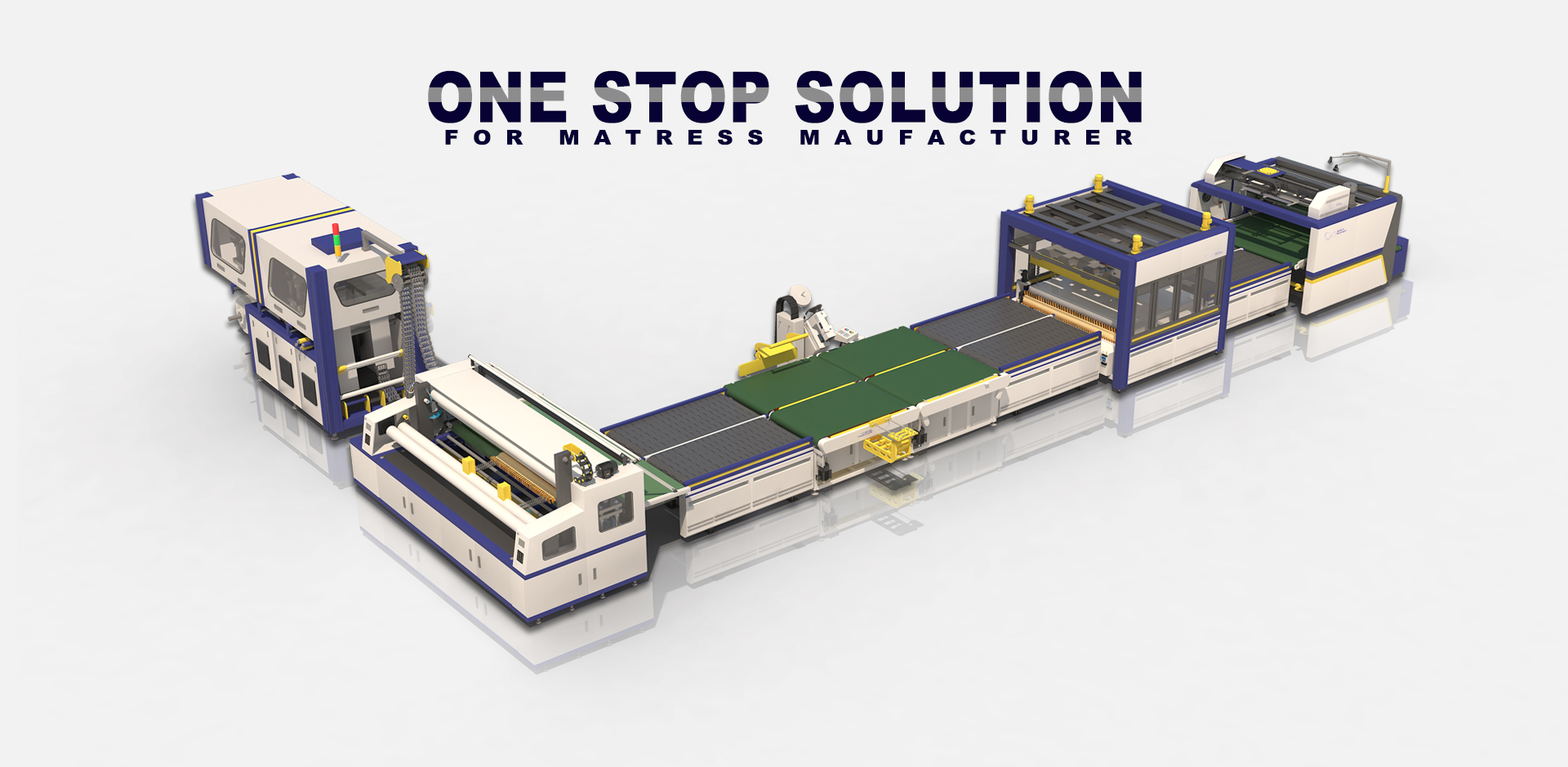
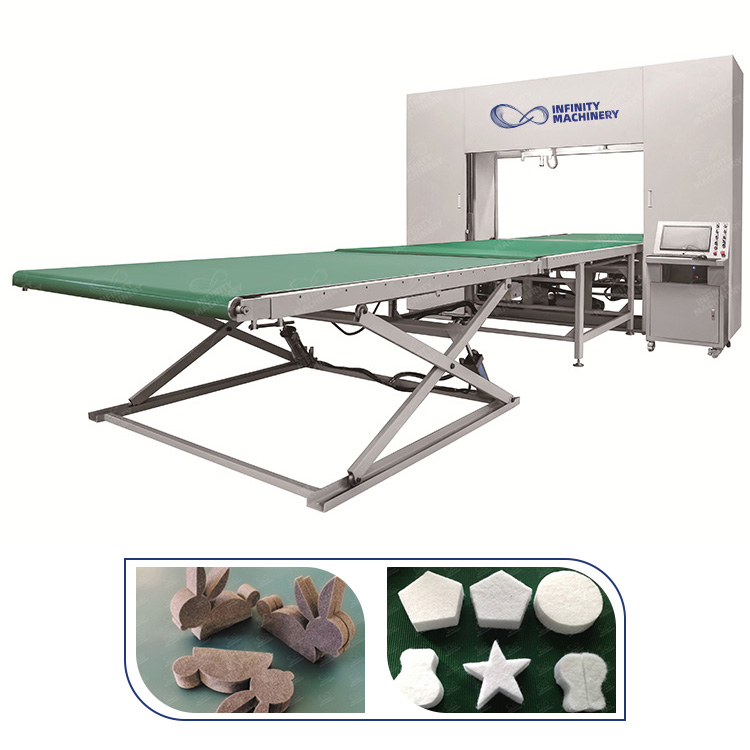
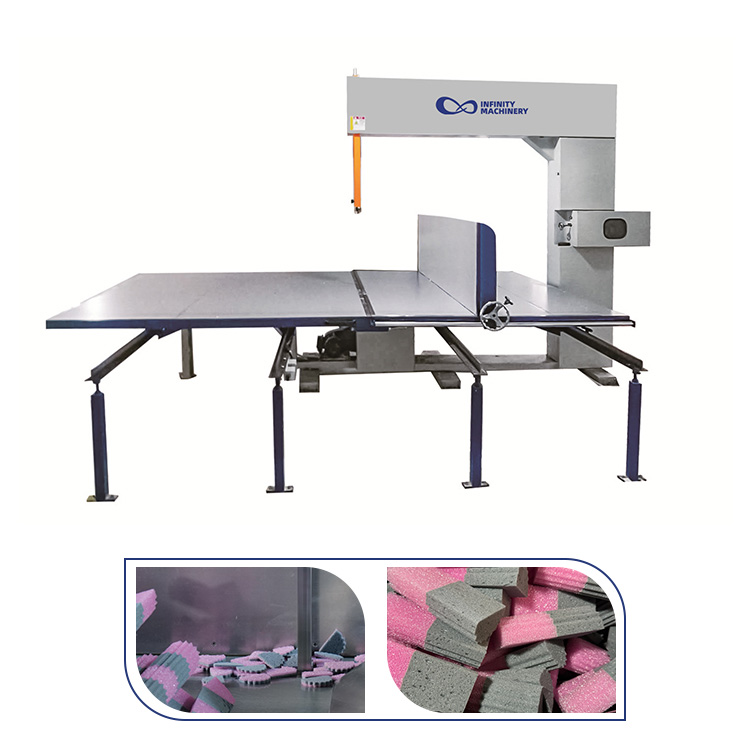
IF-YX01 and IF-CNCV gave us a more controlled route for samples, shaped layers, and special-profile programs.
Custom foam jobs become toxic when they share the same planning logic as standard volume work. They create more adjustments, more drawings, and more interruptions per unit.
By putting profile and contour capability into a defined route, we stopped treating custom work as an exception handled inside normal flow.
That made the special business more controllable and less damaging to the core schedule.
Sampling became faster, engineering handoff became cleaner, and standard-production planners stopped seeing custom orders as a threat.
We also improved pricing discipline because the process was now measurable rather than improvised.
That turned custom shapes into a better-margin service instead of a scheduling headache.
We did not evaluate IF-YX01 and IF-CNCV as isolated machines. We evaluated them as a process decision with implications for labor, scheduling, floor space, and material flow. That matters because a machine that looks expensive in a simple quote often becomes the cheaper choice when hidden operating losses are counted honestly.
Our internal model used only savings we could defend on the shop floor: labor hours removed, rework reduction, lower waste, shorter waiting time, and less schedule padding. We ignored optimistic upside such as new customer wins or premium pricing until the production result was already stable.
That conservative logic made approval easier. When a machine combination still pays back under narrow assumptions, the discussion shifts from whether the project is possible to how soon the factory wants the operational relief.
| Indicator | Before | After |
|---|---|---|
| Labor intensity | High and interruption-prone | Lower and more stable |
| Planning confidence | Padding required | Tighter release possible |
| Rework pressure | Frequent correction | More first-pass output |
| Management attention | Firefighting | Controlled routine |
If your factory is facing the same kind of problem, we would not look at a single machine in isolation. We would evaluate the whole process cell and the next likely upgrade path.
Month one was about proving that IF-YX01 and IF-CNCV could hold the new routine consistently. The technical result appeared fast, but the real learning was operational: routing work correctly, training the right operators, and preventing the old manual habits from returning.
Months two and three usually determine whether a project is a real line improvement or only a nice startup. That is when supervisors either regain control of the area or fall back into buffers, workarounds, and overtime. In our case, the process held, which is why the savings became repeatable rather than accidental.
| Month | Main result | Comment |
|---|---|---|
| 1 | Process stabilized | Training and routing discipline |
| 2 | Labor pressure reduced | Less waiting and less handling |
| 3 | Schedule confidence improved | Buffers started shrinking |
| 4-6 | Financial proof appeared | Savings became repeatable |
Do not buy this type of equipment because the brochure says the speed is high. Buy it because you can name the exact process pain it removes. If the problem is unclear, the ROI will look magical in the sales meeting and disappointing in the workshop.
I would also recommend separating today’s need from tomorrow’s ambition. The best machine combination is not always the biggest line available. It is the combination that solves the current bottleneck while leaving a realistic path for the next stage of growth.
Finally, calculate the project using the narrowest believable case. If the numbers still work when the assumptions are conservative, then the project is strong enough to survive real factory conditions.
The reason this project worked is that it solved a real process problem rather than chasing speed in isolation. IF-YX01 and IF-CNCV improved the discipline of the line, which is why the quality, labor, and planning results all moved together.
If you want to compare the right machine combination for your actual output, product mix, and space, this is the kind of decision that should be modeled against your factory realities rather than brochure speed alone.
Tell us your output, product mix, floor space, and labor target. We will help you compare the right process cell and upgrade path.